
未实际出资的股权转让争议
Dispute over the Equity Transfer Due to the Failure of the Transferor to Make Actual Capital Contribution
关键词
Key Words
股权转让 股权代持 未实际出资 违约责任
Equity Transfer, Share-Holding Entrustment, Failure to Make Actual Capital Contribution, Liability for Breach of Contract
裁判要旨
Principle of the Trial
股权转让协议性质的认定需充分考虑协议签订时双方真实的意思表示。申请人作为目标公司股东转让股权时,即使其未履行实际出资义务,也不能成为被申请人拒绝支付股权转让款的合法理由。
The determination of the nature of an equity transfer agreement must fully consider the true intentions of both parties at the time of signing the agreement. When the claimant transfers its equity as a shareholder of the target company, even if he/she fails to fulfill the actual capital contribution obligations, it cannot be a legitimate reason for the respondent to refuse to make the payment of equity transfer.
典型意义
Significance
股权代持与股权转让两者法律关系的区别,应综合考虑合同的签订和履行过程进行认定。实务中,当事人应当审慎选择合作方,充分做好尽职调查,周密设计交易条款,并诚实履行义务,遵守合同约定和诚实信用原则,以确保合同权益的实现和交易的顺利进行。
The difference of the legal relationship between share-holding entrustment and equity transfer should be determined by taking into consideration the process of signing and performing of the contract. In practice, the parties concerned should cautiously select partners, fully conduct due diligence, carefully design the terms of transaction, honestly perform their obligations, and abide by the contract and the principle of good faith, so as to ensure the realization of contractual rights and interests and the smooth progress of the transaction.
基本案情
Basic Facts
20XX年X月,申请人王某作为甲方,案外人陈某作为乙方,被申请人聂某作为丙方,共同签订《股权转让协议》(以下简称案涉协议),约定:王某将其持有的目标公司32%的股权,以489万元的价格转让给聂某,案外人陈某将所持有的目标公司28%股权作价424万元转让给聂某;聂某应于案涉协议签订之日起30日内,向王某和陈某付清全部股权转让价款。次月,目标公司完成了工商变更登记手续,上述股权已全部转移登记至聂某名下,但聂某未按约向王某支付股权转让款。
In MM 20YY, the claimant Wang, as Party A, the outsider Chen, as Party B, and the respondent Nie, as Party C, jointly signed the Equity Transfer Agreement (hereinafter referred to as the Agreement involved in the case), which stipulated that: Wang shall transfer 32% of the target company's equity to Nie at a price of 4.89 million yuan, and Chen shall transfer 28% of the target company's equity to Nie at a price of 4.24 million yuan; Nie shall make the full payment of equity transfer to Wang and Chen within 30 days from the date of signing the Agreement involved in the case. In the next month, the target company completed the registration procedures for industrial and commercial changes, and all the above-mentioned equity has been transferred to Nie. However, Nie failed to make the payment of equity transfer to Wang as agreed.
当事人的仲裁请求
Arbitration Claim
王某向上海仲裁委员会提起仲裁申请,请求裁决聂某支付股权转让款、赔偿逾期付款损失等。
Wang filed an arbitration claim to Shanghai Arbitration Commission, requesting that Nie makes the payment of equity transfer and compensates for the loss caused by overdue payment, etc.
被申请人的答辩意见
Respondent’s Reply
不同意王某提出的全部仲裁请求。理由如下:
1. 案涉协议约定出让方(即转让人)对目标公司负有出资义务,但王某并未完成实际出资,王某成为公司股东未支付任何对价。申请人未完全出资部分的缴付义务如由被申请人承担,显失公平。
2. 双方真实的意思表示是股权代持而不是股权转让。案涉协议签署后,王某在未收到股权转让款的情况下仍办理了股权变更登记,且从未向聂某主张过股权转让款。后王某亦长期作为目标公司隐名股东,定期接受目标公司财务人员发送的会计报表,参与公司日常经营管理,正常行使股东权利。
The respondent disagree with all the arbitration claims made by Wang. The reasons are as follows:
1. The Agreement involved in the case stipulates that the assignor (i.e., the transferor) has an obligation to contribute capital to the target company, but Wang did not complete the actual capital contribution, and Wang became a shareholder of the company without paying any consideration. If the part of the claimant's payment obligations that is not fully fulfilled (equal to the par registered capital of the contract price involved in the case) is borne by the respondent, it is obviously unfair.
2. The real intention of both parties is to complete share-holding entrustment rather than the equity transfer. After the agreement involved in the case was signed, Wang still registered the equity change without receiving the payment of equity transfer, and did not claim it from Nie. Then Wang has performed as an anonymous shareholder of the target company for a long time, regularly accepting accounting statements from the target company's financial personnel, participating in the daily operations and management, and normally exercising the rights of shareholders.
主要争议焦点
Focus of Dispute
双方存在股权代持还是股权转让的关系,以及聂某是否应支付股权转让款及逾期损失。
Whether there is a share-holding entrustment or an equity transfer relationship between the two parties, and whether Nie should make the payment of equity transfer and overdue losses.
仲裁庭意见
Opinion of Arbitral Tribunal
股权转让是出让人与受让人就股权归属达成的合意,其中,支付转让对价是受让方的主要义务。股权代持是实际出资人与名义出资人协商,由实际出资人出资并享有投资权益,由名义出资人为名义股东履行相应股东权利义务的约定。就本案而言,王某与聂某之间法律关系的性质应当综合全案事实进行判断。根据双方举证质证及庭审查明的情况,仲裁庭认为,股权转让为双方真实意思表示,案涉协议合法有效,聂某未履行付款义务构成违约,应支付股权转让款及逾期利息。具体如下:
一、关于案涉协议的签订
(一)案涉股权真实合法。股权变更前双方对于王某持有32%股权均无异议。
(二)案涉股权定价合理。系争股权的转让价格参考了目标公司的净资产和近期机构投资者投资时的公司估值,由双方协商确定,定价合理,符合规定。
(三)股权变更合法有效。案涉协议签订后至申请人提起仲裁前,双方对于股权变更的真实性均未提出异议。
二、关于案涉协议的履行
(一)股东会决议已确认股权转让事宜。案涉协议签订后,目标公司内部召开股东会决议,同意聂某受让王某持有本公司32%的股权,并明确了股权转让后的公司股东持股情况、认缴出资额、出资比例,并免去王某公司董事职务。
(二)公司章程已变更。案涉协议签订后,目标公司章程对公司注册资本及股东名称、出资方式、出资额、出资时间进行变更并备案。
(三)工商变更登记已完成。股权变更后,就股东出资情况变更和章程备案登记已于2020年X月完成工商备案登记。
三、关于聂某主张王某未实际出资和双方构成股权代持关系的抗辩意见
仲裁庭认为,根据《最高人民法院关于适用<中华人民共和国公司法>若干问题的规定(三)》(以下简称《公司法司法解释三》)第十八条的规定,股东未实际出资所构成的是股东与公司之间的法律关系,与股东转让其股权所形成的法律关系,是两个不同的法律关系。王某作为目标公司原股东未实际出资,不能构成聂某拒绝支付股权转让款的合法理由。
聂某称其与王某就标的股权实际建立并履行股权代持法律关系的主张,不仅无充分证据予以佐证(双方微信聊天记录仅能证明股权代持协商过程,但无法证明最终达成一致;聂某方的证人与本案双方当事人存在投资合作和债权债务等利害关系,证人证言的证明效力不高,无法与己方证据形成完整的证据链),而且也与在先书面形成的股东会决议及公司章程所反映的事实相矛盾。
Equity transfer is an agreement between the transferor and the transferee on the ownership of the equity, in which payment of the transfer consideration is the main obligations of the transferee. Share-holding entrustment is an agreement between the actual investor and the nominal investor, whereby the actual investor contributes capital and enjoys the investment rights and interests, and the nominal investor performs as the nominal shareholder to fulfill the corresponding rights and obligations. As for this case, the nature of the legal relationship between Wang and Nie should be judged based on the facts of the entire case. Based on the evidence presented by both parties, cross-examination, and the situation identified in court trial, the arbitral tribunal held that the equity transfer was the true intention of both parties and that the Agreement involved in the case was legal and valid. Nie's failure to perform the payment obligations constituted a breach of contract, and the payment of equity transfer shall be made and overdue interests shall be paid. Details are specified as follows:
1. On the signing of the Agreement
The equity involved in the case is true and legal. Before the equity change, both parties had no objection to Wang holding 32% of the equity.
(2)The equity involved in the case was properly priced. The transfer price of the disputed equity refers to the net assets of the target company and the valuation of the company during the recent investment by institutional investors, and is determined through negotiation between the two parties. The pricing is reasonable and in compliance with regulations.
(3)The equity transfer is legal and valid. From the time of signing the Agreement to the time the claimant initiated the arbitration, neither party raised any objection to the authenticity of the equity transfer.
2. On the performing of the agreement
(1)The resolution of the shareholders' meeting has confirmed the equity transfer. After the Agreement involved in the case was signed, the target company held an internal shareholders' meeting and passed a resolution which agreed that Nie receive 32% of the company's equity from Wang, clarified the shareholdings, subscribed capital contributions and the proportion of capital contribution of the company's shareholders after the equity transfer, and removed Wang as a director of the company.
(2) The articles of association have been changed. After the Agreement was signed, the target company's registered capital, the names of the shareholders, investment methods, investment amounts, and investment time have been changed and recorded in the articles of association.
(3) The registration of industrial and commercial change has been completed. After the equity transfer, the registration of the change of shareholders' contribution and the articles of association has been completed in MM 2020.
3.Defense opinions regarding Nie’s claim that Wang did not actually contribute any capital and that the two parties are in share-holding entrustment
The arbitral tribunal held that in accordance with the provisions of Article 18 of the Provisions of the Supreme People's Court on Several Issues concerning the Application of the Company Law of the People's Republic of China (III) (hereinafter referred to as the Judicial Interpretation III of the Company Law), the legal relationship formed in the case where shareholders did not actually contribute capital is between shareholders and the company, which is different from the one formed by shareholders transferring their equity. The fact that Wang, as an original shareholder of the company in discussion, has not actually contributed capital cannot constitute a legal reason for Nie to refuse to make the payment of equity transfer.
Nie's claim that he and Wang actually established and performed the share-holding entrustment on equity holdings of the subject matter is not supported by sufficient evidence (the WeChat chat records of both parties can only show the negotiation about shareholding entrustment, but cannot prove the final agreement; the witness of Nie has investment cooperation and debts with both parties concerned, weakening the probative effect of the testimony and cannot form a complete chain of evidence with Nie's own evidence). Besides, the claim of Nie is contradictory with the facts reflected in the resolution previously reached in the shareholders' meeting by the written form and the company's articles of association.
裁决结果
Award
根据案涉协议约定,受让人应于本协议签订之日起30日内,向转让人付清全部股权转让价款。聂某未按约履行其付款义务,显已构成违约,理应按约承担相应的违约责任。聂某应向王某支付转让款及按照相应利率计算的逾期付款损失。
According to the agreement involved in the case, the transferee should pay the transferor the entire equity transfer within 30 days from the date of signing this agreement. Nie's failure to perform his payment obligations as agreed has clearly constituted a breach of contract, and he should bear the corresponding liability as agreed. Nie should make the payment of equity transfer and pay the loss caused by overdue payment calculated according to the interest rate.
案件评析
Case Analysis
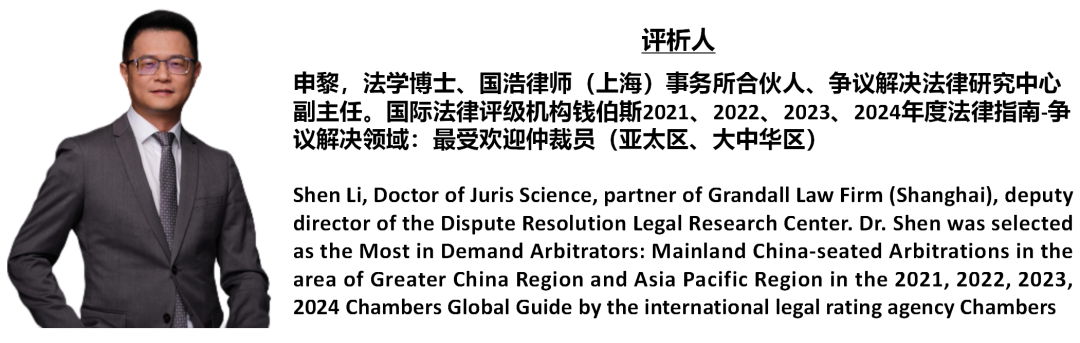
本案中,被申请人对申请人的仲裁请求主要提出了两点抗辩意见,一是股权转让人未实际出资,二是双方的真实意思表示系股权代持而非股权转让。对此,仲裁庭首先根据本案在案证据查明了当事人的真实意思表示,在此基础上对转让人未实际履行出资义务是否构成受让人拒绝支付股权转让价款的合法事由进行了认定。
事实层面,仲裁庭从案涉股权转让协议的内容、案涉股权的定价、公司股东会的决议、股权变更后的章程变更及工商登记等方面确认了当事人的真实意思表示系为股权转让,被申请人虽提供了证明双方之间实际为股权代持关系的证据,但其证据并不充分,基于“高度盖然性”的证明原则和“优势证据规则”,仲裁庭认定本案双方当事人的真实意思表示系股权转让而非股权代持。
本案中关于申请人未实际履行出资义务是否构成被申请人拒绝支付股权转让价款的合法事由的争议焦点问题,只有在明确案涉争议法律关系的性质之后,才能够准确地适用相应的法律及司法解释加以判定。股东足额缴纳认缴出资系《中华人民共和国公司法》(以下简称《公司法》)规定的法定义务,该义务系股东向公司负有的缴纳出资的给付义务,而股权转让则适用合同法规则,出让股东与受让股东之间存在的是合同之债,出资义务与股权转让是两个相对独立的法律关系,其权利义务主体亦具有独立性。申请人的请求权基础系股权转让协议的约定,而案涉协议并未约定在申请人首先缴纳认缴出资后被申请人才应支付股权转让价款,因此被申请人并不享有《中华人民共和国合同法》(以下简称《合同法》)第六十七条或《中华人民共和国民法典》(以下简称《民法典》)第五百二十六条的先履行抗辩权,在案涉股权转让协议所约定的转让价款支付条件——即转让协议签订届满30日——已经成就的情况下,被申请人理应支付股权转让价款,并承担相应的违约责任。
本案的处理涉及对于瑕疵股权转让中权利义务的界定问题。瑕疵股权即出资义务存在瑕疵的股权,包括认缴出资期限届满前未履行出资义务的股权(以下简称未届期瑕疵股权)和认缴期限届满后未履行或未全面履行出资义务的股权(以下简称已届期瑕疵股权)。《公司法司法解释三》第十八条规定,“有限责任公司的股东未履行或者未全面履行出资义务即转让股权,受让人对此知道或者应当知道,公司请求该股东履行出资义务、受让人对此承担连带责任的,人民法院应予支持;公司债权人依照本规定第十三条第二款向该股东提起诉讼,同时请求前述受让人对此承担连带责任的,人民法院应予支持。受让人根据前款规定承担责任后,向该未履行或者未全面履行出资义务的股东追偿的,人民法院应予支持。但是,当事人另有约定的除外”。由于现行《公司法》实行公司注册资本认缴制,认缴制下公司股东对于认缴出资享有期限利益,因此一般认为出资期限未届满的股权并不属于《公司法司法解释三》第十八条所规定的“未履行或未全面履行出资义务”的股权;根据《公司法司法解释三》第十八条的规定,对于已届期瑕疵股权转让后的出资义务之承担目前并不存在争议,即公司有权要求股权出让人承担出资义务,股权出让人与受让人对上述出资义务承担连带责任,如受让人承担相应连带责任后其有权向出让人追偿。但对于未届期瑕疵股权转让后的出资义务,现行生效法律并未进行明确规定,这就导致了司法实践中大致形成了由转让方即原股东单独承担出资义务、受让方即现股东单独承担出资义务、原股东与现股东共同承担出资义务的三种观点。
新《公司法》第八十八条规定,“股东转让已认缴出资但未届出资期限的股权的,由受让人承担缴纳该出资的义务;受让人未按期足额缴纳出资的,转让人对受让人未按期缴纳的出资承担补充责任。未按照公司章程规定的出资日期缴纳出资或者作为出资的非货币财产的实际价额显著低于所认缴的出资额的股东转让股权的,转让人与受让人在出资不足的范围内承担连带责任;受让人不知道且不应当知道存在上述情形的,由转让人承担责任”。新《公司法》在承继《公司法司法解释三》第十八条规定的基础上,回应了司法实践中的关于未届期瑕疵股权转让后出资义务承担的争议——未届期瑕疵股权的出资义务由受让人承担,而转让人对受让人的出资义务承担补充责任。
新《公司法》第八十八条第一款关于未届期瑕疵股权转让后出资义务承担的规定主要基于两点考虑:一是基于股权与出资义务的关联性,规定由股权转让的受让人即现股东承担出资义务。股权受让人基于股权享有股东身份,其有权行使股东权利,也理应承担股东义务,况且作为商事主体,股权受让人在进行股权转让的商事交易时理应谨慎小心,对标的股权的出资情况进行审查,在知晓标的股权出资期限未届满之风险的情况下,其自愿受让未届期瑕疵股权,承担出资义务的后果亦应在其预料之中,故由受让人承担出资义务既是权利义务相一致原则的体现,也符合受让人的预期。二是基于保护公司债权人的考虑,规定由股权转让人对受让人未按期缴纳的出资承担补充责任。在司法实践中,原股东可以通过将未实际出资的股权转让给没有出资能力的受让人以逃避出资义务,此外也存在当公司面临巨额债务时原股东与受让人恶意串通,通过转让股权的方式损害公司及债权人利益的情形,面对以股权转让的方式逃废债的现实问题,立法者通过采用转让人在受让人无法履行出资义务的情形下承担补充责任的模式,在转让人、受让人、公司债权人等主体之间达成利益平衡——在受让人完全无法履行出资义务的情况下,转让人的主观意图值得怀疑,而补充责任的特点既尊重了当事人转让未届期瑕疵股权的自由,又提升了债权人获得清偿的可能性,还不会过分增加转让人的负担。
目光重新回到本案,本案法律事实发生的时间系在新《公司法》及《民法典》生效之前,就相关问题,应适用《合同法》及《公司法》(修订前)、《公司法司法解释三》等法律、司法解释的规定。根据仲裁庭查明的法律事实,适用《公司法司法解释三》相关规定,股东未履行或者未全面履行出资义务,公司或者其他股东请求其向公司依法全面履行出资义务的,人民法院应予支持。因此,该瑕疵股权的出让股东负有的是向公司缴纳出资的义务。但本案涉案转让协议中并未约定出让股东履行出资义务是受让人支付股权转让对价的前提条件,因此,受让人不能以此作为合法的抗辩理由,其仍负有支付股权转让对价及承担违约责任的义务。当然,目标公司及目标公司的股东可以依据《公司法》的相关规定,对于未履行或者全面履行出资义务的股东行使履行出资义务请求权,但这并非本案仲裁庭的审理范围,相关争议当循合法或合乎约定的争议解决方式另案处理。
In this case, the respondent raised two main objections against the claimant's arbitration claim. One was that the equity transferor did not actually contribute capital, and the other was that the true intention of both parties was to establish shareholding entrustment rather than to transfer the equity. In this regard, the arbitral tribunal ascertained the true intention of the parties concerned according to the evidence on file in this case, and on this basis determined whether the transferor's failure to actually perform its capital contribution obligations constituted a legal reason for the transferee to refuse to pay the equity transfer.
Regarding to the facts, the arbitral tribunal confirmed, from aspects such as the content of the equity transfer agreement, the pricing of the equity involved in the case, the resolution of the company’s shareholders’ meeting, the changes in the articles of association after the equity transfer, and the industrial and commercial registration, that the true intention of the parties concerned was to transfer the equity. The evidence provided by the respondent to prove the actual share-holding entrustment relationship between the two parties was insufficient. Based on the heightened certainty standard and the preponderance of evidence standard, the arbitral tribunal determined that the true intention of both parties in this case was to transfer equity rather than build shareholding entrustment.
The dispute in this case focuses on whether the failure of the claimant to actually perform the capital contribution obligations constitutes a legal reason for the respondent to refuse to pay the equity transfer. Only after the nature of the legal relationship involved in the dispute is clarified can the corresponding laws and judicial interpretation be accurately applied. The full payment of capital contributions by shareholders is a legal obligation stipulated in the Company Law of the People's Republic of China (hereinafter referred to as the Company Law). The shareholders are under obligations to pay the capital contribution to the company, while the equity transfer shall follow the contract law. According to the rules, it is the contractual debt that exist between the transferor and the transferee shareholders. Capital contribution obligations and equity transfer are legally independent, so as the subjects of their rights and obligations. The basis of the claimant 's claim is the equity transfer agreement, but the agreement involved in the case does not stipulate that the respondent should pay the equity transfer only after the applicant pays the subscribed capital contribution. Therefore, the respondent is not entitled to the right of first-performance defense under Article 67 of the Contract Law of the People's Republic of China (hereinafter referred to as the Contract Law) or Article 526 of the Civil Code of the People's Republic of China (hereinafter referred to as the Civil Code). In the case that the payment conditions for the transfer agreed in the equity transfer agreement has been met, that is, 30 days after the signing of the transfer agreement, the respondent shall pay the equity transfer price and bear corresponding liability for breach of contract.
The handling of this case involves the definition of rights and obligations in the transfer of defective equity. Defective equity refers to the equity with defective contribution obligations, including the equity with unfulfilled contribution obligations before the expiration of the subscribed contribution period (hereinafter referred to as pre-expiration defective equity) and the equity with unfulfilled or incompletely fulfilled contribution obligations after the expiration of the subscribed period (hereinafter referred to as post-expiration defective equity). Article 18 of the Judicial Interpretation III of the Company Law stipulates that if a shareholder of a limited liability company fails to fulfill or incompletely fulfills the capital contribution obligations and transfers the equity, and the transferee knows or should have known about it, if the company requests the shareholder to fulfill the capital contribution obligations and the transferee to assume joint liability, the people's court shall support it. If a company's creditor files a lawsuit against the shareholder in accordance with the provisions of Article 13, paragraph 2 of these regulations, and at the same time requests the aforementioned transferee to assume joint liability, the people's court shall support it. After the transferee assumes liability in accordance with the preceding paragraph and seeks compensation from the shareholder who has not fulfilled or incompletely fulfilled the capital contribution obligations, the people's court shall support such claims. Except as otherwise agreed by the parties concerned. Due to the current implementation of the subscribed capital system under the Company Law, shareholders in a company enjoy a term interest in the subscribed capital. Therefore, it is generally believed that shares with a subscription period yet to expire do not fall under the category of unfulfilled or incompletely fulfilled capital contribution obligations as specified in Article 18 of the Judicial Interpretation III of the Company Law. According to the provisions of Article 18, there is currently no dispute over the assumption of capital contribution obligations after the transfer of post-expiration defective equity. In other words, the company has the right to demand that the equity transferor assume the capital contribution obligations, and both the equity transferor and the transferee bear joint liability for the aforementioned capital contribution obligations. After assuming corresponding joint liability, the transferee is entitled to seek recovery from the transferor. However, for the capital contribution obligations after the transfer of pre-expiration defective equity, the current effective laws do not provide clear regulations. This has led to the general formation of three viewpoints in judicial practice: one where the transferor, i.e., the original shareholder, solely assumes the capital contribution obligations; another where the transferee, i.e., the current shareholder, solely assumes the capital contribution obligations; and a third where the original shareholder and the current shareholder jointly assume the capital contribution obligations.
Article 88 of the new Company Law stipulates that if a shareholder transfers equity with subscribed capital that has not reached the capital contribution deadline, the transferee shall assume the obligations to make the payment. If the transferee fails to make the capital contribution in full and on time, the transferor shall bear additional liability for the shortfall in the capital contribution by the transferee. For the transfer of equity where a shareholder fails to make the capital contribution on the date specified in the company's articles of association or the actual value of non-monetary property contributed as capital significantly falls below the subscribed capital amount, the transferor and transferee shall bear joint liability within the shortfall of the capital contribution. If the transferee is unaware and should not have been aware of the aforementioned situation, the responsibility lies with the transferor. The new Company Law, building upon the inheritance of Article 18 of the Judicial Interpretation III of the Company Law, addresses the controversies in judicial practice regarding the assumption of capital contribution obligations after the transfer of pre-expiration defective equity. According to the new provisions, the transferee is responsible for the capital contribution obligations of pre-expiration defective equity, and the transferor bears supplementary liability for the transferee's capital contribution obligations.
The first provision of Article 88 of the new Company Law on the assumption of capital contribution obligations after the transfer of pre-expiration defective equity is primarily based on two considerations: firstly, it is grounded in the correlation between equity and capital contribution obligations, specifying that the transferee, who is now the shareholder due to the equity transfer, is responsible for the capital contribution obligations. The transferee of equity, based on the ownership of shares, holds the status of a shareholder and has the right to exercise shareholder rights. Therefore, it is reasonable for them to assume shareholder obligations. Moreover, as a commercial subject, the transferee should exercise caution and diligence in commercial transactions involving equity transfer. They should conduct a thorough examination of the capital contribution status of the subject equity. If the transferee, with knowledge of the risk that the subscribed contribution period for the subject equity has not expired, voluntarily acquires pre-expiration defective equity, the consequences of assuming capital contribution obligations should be foreseeable. Therefore, having the transferee bear the capital contribution obligations not only reflects the principle of consistency between rights and obligations but also aligns with the transferee's expectations. Secondly, the provision is based on considerations for protecting the rights of the company's creditors. It stipulates that the transferor of equity bears supplementary liability for the capital contribution not made in a timely manner by the transferee. In judicial practice, original shareholders may attempt to evade capital contribution obligations by transferring equity with unrealized contributions to transferees who lack the ability to make contributions. Additionally, there are cases where, in the face of significant corporate debt, original shareholders collude with transferees to maliciously transfer equity, thereby harming the interests of the company and creditors. Faced with the practical problem of using equity transfers to escape or evade debts, legislators have adopted a model where the transferor assumes supplementary liability in situations where the transferee is unable to fulfill the capital contribution obligations. This model aims to achieve a balance of interests among the transferor, transferee, and company creditors. In cases where the transferee is completely unable to fulfill the capital contribution obligations, there is reason to question the transferor's subjective intent. The characteristic of supplementary liability respects the freedom of the parties concerned to transfer pre-expiration defective equity while enhancing the likelihood of creditors obtaining repayment without excessively burdening the transferor.
Turning back to this case, the legal facts in this case occurred before the effective date of the new Company Law and the Civil Code. Therefore, regarding relevant issues, the applicable laws and regulations should include the Contract Law, the Company Law (before the revision), the Judicial Interpretation III of the Company Law, and other relevant legal provisions that were in effect at the time. Based on the legal facts ascertained by the arbitral tribunal, the relevant provisions of Judicial Interpretation III of the Company Law apply. If a shareholder fails to fulfill or incompletely fulfills the capital contribution obligations and the company or other shareholders request the court to support the request for the shareholder to fully fulfill the capital contribution obligations in accordance with the law, the people's court should provide support. Therefore, the transferring shareholder of the defective equity is obligated to make the capital contribution payment to the company. However, the transfer agreement involved in this case did not stipulate that the transferring shareholder's fulfillment of the capital contribution obligations is a prerequisite for the transferee to pay the consideration for the equity transfer. Therefore, the transferee cannot use this as a legitimate defense, and they still have the obligations to pay the consideration for the equity transfer and assume the liability for any breach of contract. Certainly, the target company and its shareholders can, in accordance with the relevant provisions of the Company Law, exercise the right to request fulfillment of the capital contribution obligations for shareholders who have not fulfilled or incompletely fulfilled their obligations. However, this is not within the scope of the arbitration tribunal's jurisdiction in this case. Any disputes related to this matter should be resolved through legal or agreed-upon dispute resolution methods in a separate proceeding.
免责重申:本案例系上海仲裁委员会对相关案件进行的整理与编辑,不代表机构观点,不构成法律咨询意见。
Disclaimer: This case is the compilation and editing of relevant cases by Shanghai Arbitration Commission. It does not represent the views of the institution nor constitute legal advice.
英文版本仅为示例翻译,如中英文版本有任何差异,以中文版本为准。
The English version is a courtesy translation only. If there is any discrepancy between the Chinese and English version, the Chinese version prevails.
往期案例回顾:
SHAC
立案地址
上海市威海路755号上海报业集团大厦7楼 电话:021-52921235
网址:www.accsh.org 邮箱:shac@accsh.org
上海金融仲裁院
上海市东园路18号中国金融信息中心18楼 电话:021-68889201
上海国际航运仲裁院 | 上海知识产权仲裁院
上海市北苏州路88号中美金融信托大厦18楼 电话:021-62681688
上海建设工程仲裁院 | 一般民商事部
上海市威海路755号上海报业集团大厦23楼 电话:021-52920022
Dispute over the Equity Transfer Due to the Failure of the Transferor to Make Actual Capital Contribution
关键词
Key Words
股权转让 股权代持 未实际出资 违约责任
Equity Transfer, Share-Holding Entrustment, Failure to Make Actual Capital Contribution, Liability for Breach of Contract
裁判要旨
Principle of the Trial
股权转让协议性质的认定需充分考虑协议签订时双方真实的意思表示。申请人作为目标公司股东转让股权时,即使其未履行实际出资义务,也不能成为被申请人拒绝支付股权转让款的合法理由。
The determination of the nature of an equity transfer agreement must fully consider the true intentions of both parties at the time of signing the agreement. When the claimant transfers its equity as a shareholder of the target company, even if he/she fails to fulfill the actual capital contribution obligations, it cannot be a legitimate reason for the respondent to refuse to make the payment of equity transfer.
典型意义
Significance
股权代持与股权转让两者法律关系的区别,应综合考虑合同的签订和履行过程进行认定。实务中,当事人应当审慎选择合作方,充分做好尽职调查,周密设计交易条款,并诚实履行义务,遵守合同约定和诚实信用原则,以确保合同权益的实现和交易的顺利进行。
The difference of the legal relationship between share-holding entrustment and equity transfer should be determined by taking into consideration the process of signing and performing of the contract. In practice, the parties concerned should cautiously select partners, fully conduct due diligence, carefully design the terms of transaction, honestly perform their obligations, and abide by the contract and the principle of good faith, so as to ensure the realization of contractual rights and interests and the smooth progress of the transaction.
基本案情
Basic Facts
20XX年X月,申请人王某作为甲方,案外人陈某作为乙方,被申请人聂某作为丙方,共同签订《股权转让协议》(以下简称案涉协议),约定:王某将其持有的目标公司32%的股权,以489万元的价格转让给聂某,案外人陈某将所持有的目标公司28%股权作价424万元转让给聂某;聂某应于案涉协议签订之日起30日内,向王某和陈某付清全部股权转让价款。次月,目标公司完成了工商变更登记手续,上述股权已全部转移登记至聂某名下,但聂某未按约向王某支付股权转让款。
In MM 20YY, the claimant Wang, as Party A, the outsider Chen, as Party B, and the respondent Nie, as Party C, jointly signed the Equity Transfer Agreement (hereinafter referred to as the Agreement involved in the case), which stipulated that: Wang shall transfer 32% of the target company's equity to Nie at a price of 4.89 million yuan, and Chen shall transfer 28% of the target company's equity to Nie at a price of 4.24 million yuan; Nie shall make the full payment of equity transfer to Wang and Chen within 30 days from the date of signing the Agreement involved in the case. In the next month, the target company completed the registration procedures for industrial and commercial changes, and all the above-mentioned equity has been transferred to Nie. However, Nie failed to make the payment of equity transfer to Wang as agreed.
当事人的仲裁请求
Arbitration Claim
王某向上海仲裁委员会提起仲裁申请,请求裁决聂某支付股权转让款、赔偿逾期付款损失等。
Wang filed an arbitration claim to Shanghai Arbitration Commission, requesting that Nie makes the payment of equity transfer and compensates for the loss caused by overdue payment, etc.
被申请人的答辩意见
Respondent’s Reply
不同意王某提出的全部仲裁请求。理由如下:
1. 案涉协议约定出让方(即转让人)对目标公司负有出资义务,但王某并未完成实际出资,王某成为公司股东未支付任何对价。申请人未完全出资部分的缴付义务如由被申请人承担,显失公平。
2. 双方真实的意思表示是股权代持而不是股权转让。案涉协议签署后,王某在未收到股权转让款的情况下仍办理了股权变更登记,且从未向聂某主张过股权转让款。后王某亦长期作为目标公司隐名股东,定期接受目标公司财务人员发送的会计报表,参与公司日常经营管理,正常行使股东权利。
The respondent disagree with all the arbitration claims made by Wang. The reasons are as follows:
1. The Agreement involved in the case stipulates that the assignor (i.e., the transferor) has an obligation to contribute capital to the target company, but Wang did not complete the actual capital contribution, and Wang became a shareholder of the company without paying any consideration. If the part of the claimant's payment obligations that is not fully fulfilled (equal to the par registered capital of the contract price involved in the case) is borne by the respondent, it is obviously unfair.
2. The real intention of both parties is to complete share-holding entrustment rather than the equity transfer. After the agreement involved in the case was signed, Wang still registered the equity change without receiving the payment of equity transfer, and did not claim it from Nie. Then Wang has performed as an anonymous shareholder of the target company for a long time, regularly accepting accounting statements from the target company's financial personnel, participating in the daily operations and management, and normally exercising the rights of shareholders.
主要争议焦点
Focus of Dispute
双方存在股权代持还是股权转让的关系,以及聂某是否应支付股权转让款及逾期损失。
Whether there is a share-holding entrustment or an equity transfer relationship between the two parties, and whether Nie should make the payment of equity transfer and overdue losses.
仲裁庭意见
Opinion of Arbitral Tribunal
股权转让是出让人与受让人就股权归属达成的合意,其中,支付转让对价是受让方的主要义务。股权代持是实际出资人与名义出资人协商,由实际出资人出资并享有投资权益,由名义出资人为名义股东履行相应股东权利义务的约定。就本案而言,王某与聂某之间法律关系的性质应当综合全案事实进行判断。根据双方举证质证及庭审查明的情况,仲裁庭认为,股权转让为双方真实意思表示,案涉协议合法有效,聂某未履行付款义务构成违约,应支付股权转让款及逾期利息。具体如下:
一、关于案涉协议的签订
(一)案涉股权真实合法。股权变更前双方对于王某持有32%股权均无异议。
(二)案涉股权定价合理。系争股权的转让价格参考了目标公司的净资产和近期机构投资者投资时的公司估值,由双方协商确定,定价合理,符合规定。
(三)股权变更合法有效。案涉协议签订后至申请人提起仲裁前,双方对于股权变更的真实性均未提出异议。
二、关于案涉协议的履行
(一)股东会决议已确认股权转让事宜。案涉协议签订后,目标公司内部召开股东会决议,同意聂某受让王某持有本公司32%的股权,并明确了股权转让后的公司股东持股情况、认缴出资额、出资比例,并免去王某公司董事职务。
(二)公司章程已变更。案涉协议签订后,目标公司章程对公司注册资本及股东名称、出资方式、出资额、出资时间进行变更并备案。
(三)工商变更登记已完成。股权变更后,就股东出资情况变更和章程备案登记已于2020年X月完成工商备案登记。
三、关于聂某主张王某未实际出资和双方构成股权代持关系的抗辩意见
仲裁庭认为,根据《最高人民法院关于适用<中华人民共和国公司法>若干问题的规定(三)》(以下简称《公司法司法解释三》)第十八条的规定,股东未实际出资所构成的是股东与公司之间的法律关系,与股东转让其股权所形成的法律关系,是两个不同的法律关系。王某作为目标公司原股东未实际出资,不能构成聂某拒绝支付股权转让款的合法理由。
聂某称其与王某就标的股权实际建立并履行股权代持法律关系的主张,不仅无充分证据予以佐证(双方微信聊天记录仅能证明股权代持协商过程,但无法证明最终达成一致;聂某方的证人与本案双方当事人存在投资合作和债权债务等利害关系,证人证言的证明效力不高,无法与己方证据形成完整的证据链),而且也与在先书面形成的股东会决议及公司章程所反映的事实相矛盾。
Equity transfer is an agreement between the transferor and the transferee on the ownership of the equity, in which payment of the transfer consideration is the main obligations of the transferee. Share-holding entrustment is an agreement between the actual investor and the nominal investor, whereby the actual investor contributes capital and enjoys the investment rights and interests, and the nominal investor performs as the nominal shareholder to fulfill the corresponding rights and obligations. As for this case, the nature of the legal relationship between Wang and Nie should be judged based on the facts of the entire case. Based on the evidence presented by both parties, cross-examination, and the situation identified in court trial, the arbitral tribunal held that the equity transfer was the true intention of both parties and that the Agreement involved in the case was legal and valid. Nie's failure to perform the payment obligations constituted a breach of contract, and the payment of equity transfer shall be made and overdue interests shall be paid. Details are specified as follows:
1. On the signing of the Agreement
The equity involved in the case is true and legal. Before the equity change, both parties had no objection to Wang holding 32% of the equity.
(2)The equity involved in the case was properly priced. The transfer price of the disputed equity refers to the net assets of the target company and the valuation of the company during the recent investment by institutional investors, and is determined through negotiation between the two parties. The pricing is reasonable and in compliance with regulations.
(3)The equity transfer is legal and valid. From the time of signing the Agreement to the time the claimant initiated the arbitration, neither party raised any objection to the authenticity of the equity transfer.
2. On the performing of the agreement
(1)The resolution of the shareholders' meeting has confirmed the equity transfer. After the Agreement involved in the case was signed, the target company held an internal shareholders' meeting and passed a resolution which agreed that Nie receive 32% of the company's equity from Wang, clarified the shareholdings, subscribed capital contributions and the proportion of capital contribution of the company's shareholders after the equity transfer, and removed Wang as a director of the company.
(2) The articles of association have been changed. After the Agreement was signed, the target company's registered capital, the names of the shareholders, investment methods, investment amounts, and investment time have been changed and recorded in the articles of association.
(3) The registration of industrial and commercial change has been completed. After the equity transfer, the registration of the change of shareholders' contribution and the articles of association has been completed in MM 2020.
3.Defense opinions regarding Nie’s claim that Wang did not actually contribute any capital and that the two parties are in share-holding entrustment
The arbitral tribunal held that in accordance with the provisions of Article 18 of the Provisions of the Supreme People's Court on Several Issues concerning the Application of the Company Law of the People's Republic of China (III) (hereinafter referred to as the Judicial Interpretation III of the Company Law), the legal relationship formed in the case where shareholders did not actually contribute capital is between shareholders and the company, which is different from the one formed by shareholders transferring their equity. The fact that Wang, as an original shareholder of the company in discussion, has not actually contributed capital cannot constitute a legal reason for Nie to refuse to make the payment of equity transfer.
Nie's claim that he and Wang actually established and performed the share-holding entrustment on equity holdings of the subject matter is not supported by sufficient evidence (the WeChat chat records of both parties can only show the negotiation about shareholding entrustment, but cannot prove the final agreement; the witness of Nie has investment cooperation and debts with both parties concerned, weakening the probative effect of the testimony and cannot form a complete chain of evidence with Nie's own evidence). Besides, the claim of Nie is contradictory with the facts reflected in the resolution previously reached in the shareholders' meeting by the written form and the company's articles of association.
裁决结果
Award
根据案涉协议约定,受让人应于本协议签订之日起30日内,向转让人付清全部股权转让价款。聂某未按约履行其付款义务,显已构成违约,理应按约承担相应的违约责任。聂某应向王某支付转让款及按照相应利率计算的逾期付款损失。
According to the agreement involved in the case, the transferee should pay the transferor the entire equity transfer within 30 days from the date of signing this agreement. Nie's failure to perform his payment obligations as agreed has clearly constituted a breach of contract, and he should bear the corresponding liability as agreed. Nie should make the payment of equity transfer and pay the loss caused by overdue payment calculated according to the interest rate.
案件评析
Case Analysis
本案中,被申请人对申请人的仲裁请求主要提出了两点抗辩意见,一是股权转让人未实际出资,二是双方的真实意思表示系股权代持而非股权转让。对此,仲裁庭首先根据本案在案证据查明了当事人的真实意思表示,在此基础上对转让人未实际履行出资义务是否构成受让人拒绝支付股权转让价款的合法事由进行了认定。
事实层面,仲裁庭从案涉股权转让协议的内容、案涉股权的定价、公司股东会的决议、股权变更后的章程变更及工商登记等方面确认了当事人的真实意思表示系为股权转让,被申请人虽提供了证明双方之间实际为股权代持关系的证据,但其证据并不充分,基于“高度盖然性”的证明原则和“优势证据规则”,仲裁庭认定本案双方当事人的真实意思表示系股权转让而非股权代持。
本案中关于申请人未实际履行出资义务是否构成被申请人拒绝支付股权转让价款的合法事由的争议焦点问题,只有在明确案涉争议法律关系的性质之后,才能够准确地适用相应的法律及司法解释加以判定。股东足额缴纳认缴出资系《中华人民共和国公司法》(以下简称《公司法》)规定的法定义务,该义务系股东向公司负有的缴纳出资的给付义务,而股权转让则适用合同法规则,出让股东与受让股东之间存在的是合同之债,出资义务与股权转让是两个相对独立的法律关系,其权利义务主体亦具有独立性。申请人的请求权基础系股权转让协议的约定,而案涉协议并未约定在申请人首先缴纳认缴出资后被申请人才应支付股权转让价款,因此被申请人并不享有《中华人民共和国合同法》(以下简称《合同法》)第六十七条或《中华人民共和国民法典》(以下简称《民法典》)第五百二十六条的先履行抗辩权,在案涉股权转让协议所约定的转让价款支付条件——即转让协议签订届满30日——已经成就的情况下,被申请人理应支付股权转让价款,并承担相应的违约责任。
本案的处理涉及对于瑕疵股权转让中权利义务的界定问题。瑕疵股权即出资义务存在瑕疵的股权,包括认缴出资期限届满前未履行出资义务的股权(以下简称未届期瑕疵股权)和认缴期限届满后未履行或未全面履行出资义务的股权(以下简称已届期瑕疵股权)。《公司法司法解释三》第十八条规定,“有限责任公司的股东未履行或者未全面履行出资义务即转让股权,受让人对此知道或者应当知道,公司请求该股东履行出资义务、受让人对此承担连带责任的,人民法院应予支持;公司债权人依照本规定第十三条第二款向该股东提起诉讼,同时请求前述受让人对此承担连带责任的,人民法院应予支持。受让人根据前款规定承担责任后,向该未履行或者未全面履行出资义务的股东追偿的,人民法院应予支持。但是,当事人另有约定的除外”。由于现行《公司法》实行公司注册资本认缴制,认缴制下公司股东对于认缴出资享有期限利益,因此一般认为出资期限未届满的股权并不属于《公司法司法解释三》第十八条所规定的“未履行或未全面履行出资义务”的股权;根据《公司法司法解释三》第十八条的规定,对于已届期瑕疵股权转让后的出资义务之承担目前并不存在争议,即公司有权要求股权出让人承担出资义务,股权出让人与受让人对上述出资义务承担连带责任,如受让人承担相应连带责任后其有权向出让人追偿。但对于未届期瑕疵股权转让后的出资义务,现行生效法律并未进行明确规定,这就导致了司法实践中大致形成了由转让方即原股东单独承担出资义务、受让方即现股东单独承担出资义务、原股东与现股东共同承担出资义务的三种观点。
新《公司法》第八十八条规定,“股东转让已认缴出资但未届出资期限的股权的,由受让人承担缴纳该出资的义务;受让人未按期足额缴纳出资的,转让人对受让人未按期缴纳的出资承担补充责任。未按照公司章程规定的出资日期缴纳出资或者作为出资的非货币财产的实际价额显著低于所认缴的出资额的股东转让股权的,转让人与受让人在出资不足的范围内承担连带责任;受让人不知道且不应当知道存在上述情形的,由转让人承担责任”。新《公司法》在承继《公司法司法解释三》第十八条规定的基础上,回应了司法实践中的关于未届期瑕疵股权转让后出资义务承担的争议——未届期瑕疵股权的出资义务由受让人承担,而转让人对受让人的出资义务承担补充责任。
新《公司法》第八十八条第一款关于未届期瑕疵股权转让后出资义务承担的规定主要基于两点考虑:一是基于股权与出资义务的关联性,规定由股权转让的受让人即现股东承担出资义务。股权受让人基于股权享有股东身份,其有权行使股东权利,也理应承担股东义务,况且作为商事主体,股权受让人在进行股权转让的商事交易时理应谨慎小心,对标的股权的出资情况进行审查,在知晓标的股权出资期限未届满之风险的情况下,其自愿受让未届期瑕疵股权,承担出资义务的后果亦应在其预料之中,故由受让人承担出资义务既是权利义务相一致原则的体现,也符合受让人的预期。二是基于保护公司债权人的考虑,规定由股权转让人对受让人未按期缴纳的出资承担补充责任。在司法实践中,原股东可以通过将未实际出资的股权转让给没有出资能力的受让人以逃避出资义务,此外也存在当公司面临巨额债务时原股东与受让人恶意串通,通过转让股权的方式损害公司及债权人利益的情形,面对以股权转让的方式逃废债的现实问题,立法者通过采用转让人在受让人无法履行出资义务的情形下承担补充责任的模式,在转让人、受让人、公司债权人等主体之间达成利益平衡——在受让人完全无法履行出资义务的情况下,转让人的主观意图值得怀疑,而补充责任的特点既尊重了当事人转让未届期瑕疵股权的自由,又提升了债权人获得清偿的可能性,还不会过分增加转让人的负担。
目光重新回到本案,本案法律事实发生的时间系在新《公司法》及《民法典》生效之前,就相关问题,应适用《合同法》及《公司法》(修订前)、《公司法司法解释三》等法律、司法解释的规定。根据仲裁庭查明的法律事实,适用《公司法司法解释三》相关规定,股东未履行或者未全面履行出资义务,公司或者其他股东请求其向公司依法全面履行出资义务的,人民法院应予支持。因此,该瑕疵股权的出让股东负有的是向公司缴纳出资的义务。但本案涉案转让协议中并未约定出让股东履行出资义务是受让人支付股权转让对价的前提条件,因此,受让人不能以此作为合法的抗辩理由,其仍负有支付股权转让对价及承担违约责任的义务。当然,目标公司及目标公司的股东可以依据《公司法》的相关规定,对于未履行或者全面履行出资义务的股东行使履行出资义务请求权,但这并非本案仲裁庭的审理范围,相关争议当循合法或合乎约定的争议解决方式另案处理。
In this case, the respondent raised two main objections against the claimant's arbitration claim. One was that the equity transferor did not actually contribute capital, and the other was that the true intention of both parties was to establish shareholding entrustment rather than to transfer the equity. In this regard, the arbitral tribunal ascertained the true intention of the parties concerned according to the evidence on file in this case, and on this basis determined whether the transferor's failure to actually perform its capital contribution obligations constituted a legal reason for the transferee to refuse to pay the equity transfer.
Regarding to the facts, the arbitral tribunal confirmed, from aspects such as the content of the equity transfer agreement, the pricing of the equity involved in the case, the resolution of the company’s shareholders’ meeting, the changes in the articles of association after the equity transfer, and the industrial and commercial registration, that the true intention of the parties concerned was to transfer the equity. The evidence provided by the respondent to prove the actual share-holding entrustment relationship between the two parties was insufficient. Based on the heightened certainty standard and the preponderance of evidence standard, the arbitral tribunal determined that the true intention of both parties in this case was to transfer equity rather than build shareholding entrustment.
The dispute in this case focuses on whether the failure of the claimant to actually perform the capital contribution obligations constitutes a legal reason for the respondent to refuse to pay the equity transfer. Only after the nature of the legal relationship involved in the dispute is clarified can the corresponding laws and judicial interpretation be accurately applied. The full payment of capital contributions by shareholders is a legal obligation stipulated in the Company Law of the People's Republic of China (hereinafter referred to as the Company Law). The shareholders are under obligations to pay the capital contribution to the company, while the equity transfer shall follow the contract law. According to the rules, it is the contractual debt that exist between the transferor and the transferee shareholders. Capital contribution obligations and equity transfer are legally independent, so as the subjects of their rights and obligations. The basis of the claimant 's claim is the equity transfer agreement, but the agreement involved in the case does not stipulate that the respondent should pay the equity transfer only after the applicant pays the subscribed capital contribution. Therefore, the respondent is not entitled to the right of first-performance defense under Article 67 of the Contract Law of the People's Republic of China (hereinafter referred to as the Contract Law) or Article 526 of the Civil Code of the People's Republic of China (hereinafter referred to as the Civil Code). In the case that the payment conditions for the transfer agreed in the equity transfer agreement has been met, that is, 30 days after the signing of the transfer agreement, the respondent shall pay the equity transfer price and bear corresponding liability for breach of contract.
The handling of this case involves the definition of rights and obligations in the transfer of defective equity. Defective equity refers to the equity with defective contribution obligations, including the equity with unfulfilled contribution obligations before the expiration of the subscribed contribution period (hereinafter referred to as pre-expiration defective equity) and the equity with unfulfilled or incompletely fulfilled contribution obligations after the expiration of the subscribed period (hereinafter referred to as post-expiration defective equity). Article 18 of the Judicial Interpretation III of the Company Law stipulates that if a shareholder of a limited liability company fails to fulfill or incompletely fulfills the capital contribution obligations and transfers the equity, and the transferee knows or should have known about it, if the company requests the shareholder to fulfill the capital contribution obligations and the transferee to assume joint liability, the people's court shall support it. If a company's creditor files a lawsuit against the shareholder in accordance with the provisions of Article 13, paragraph 2 of these regulations, and at the same time requests the aforementioned transferee to assume joint liability, the people's court shall support it. After the transferee assumes liability in accordance with the preceding paragraph and seeks compensation from the shareholder who has not fulfilled or incompletely fulfilled the capital contribution obligations, the people's court shall support such claims. Except as otherwise agreed by the parties concerned. Due to the current implementation of the subscribed capital system under the Company Law, shareholders in a company enjoy a term interest in the subscribed capital. Therefore, it is generally believed that shares with a subscription period yet to expire do not fall under the category of unfulfilled or incompletely fulfilled capital contribution obligations as specified in Article 18 of the Judicial Interpretation III of the Company Law. According to the provisions of Article 18, there is currently no dispute over the assumption of capital contribution obligations after the transfer of post-expiration defective equity. In other words, the company has the right to demand that the equity transferor assume the capital contribution obligations, and both the equity transferor and the transferee bear joint liability for the aforementioned capital contribution obligations. After assuming corresponding joint liability, the transferee is entitled to seek recovery from the transferor. However, for the capital contribution obligations after the transfer of pre-expiration defective equity, the current effective laws do not provide clear regulations. This has led to the general formation of three viewpoints in judicial practice: one where the transferor, i.e., the original shareholder, solely assumes the capital contribution obligations; another where the transferee, i.e., the current shareholder, solely assumes the capital contribution obligations; and a third where the original shareholder and the current shareholder jointly assume the capital contribution obligations.
Article 88 of the new Company Law stipulates that if a shareholder transfers equity with subscribed capital that has not reached the capital contribution deadline, the transferee shall assume the obligations to make the payment. If the transferee fails to make the capital contribution in full and on time, the transferor shall bear additional liability for the shortfall in the capital contribution by the transferee. For the transfer of equity where a shareholder fails to make the capital contribution on the date specified in the company's articles of association or the actual value of non-monetary property contributed as capital significantly falls below the subscribed capital amount, the transferor and transferee shall bear joint liability within the shortfall of the capital contribution. If the transferee is unaware and should not have been aware of the aforementioned situation, the responsibility lies with the transferor. The new Company Law, building upon the inheritance of Article 18 of the Judicial Interpretation III of the Company Law, addresses the controversies in judicial practice regarding the assumption of capital contribution obligations after the transfer of pre-expiration defective equity. According to the new provisions, the transferee is responsible for the capital contribution obligations of pre-expiration defective equity, and the transferor bears supplementary liability for the transferee's capital contribution obligations.
The first provision of Article 88 of the new Company Law on the assumption of capital contribution obligations after the transfer of pre-expiration defective equity is primarily based on two considerations: firstly, it is grounded in the correlation between equity and capital contribution obligations, specifying that the transferee, who is now the shareholder due to the equity transfer, is responsible for the capital contribution obligations. The transferee of equity, based on the ownership of shares, holds the status of a shareholder and has the right to exercise shareholder rights. Therefore, it is reasonable for them to assume shareholder obligations. Moreover, as a commercial subject, the transferee should exercise caution and diligence in commercial transactions involving equity transfer. They should conduct a thorough examination of the capital contribution status of the subject equity. If the transferee, with knowledge of the risk that the subscribed contribution period for the subject equity has not expired, voluntarily acquires pre-expiration defective equity, the consequences of assuming capital contribution obligations should be foreseeable. Therefore, having the transferee bear the capital contribution obligations not only reflects the principle of consistency between rights and obligations but also aligns with the transferee's expectations. Secondly, the provision is based on considerations for protecting the rights of the company's creditors. It stipulates that the transferor of equity bears supplementary liability for the capital contribution not made in a timely manner by the transferee. In judicial practice, original shareholders may attempt to evade capital contribution obligations by transferring equity with unrealized contributions to transferees who lack the ability to make contributions. Additionally, there are cases where, in the face of significant corporate debt, original shareholders collude with transferees to maliciously transfer equity, thereby harming the interests of the company and creditors. Faced with the practical problem of using equity transfers to escape or evade debts, legislators have adopted a model where the transferor assumes supplementary liability in situations where the transferee is unable to fulfill the capital contribution obligations. This model aims to achieve a balance of interests among the transferor, transferee, and company creditors. In cases where the transferee is completely unable to fulfill the capital contribution obligations, there is reason to question the transferor's subjective intent. The characteristic of supplementary liability respects the freedom of the parties concerned to transfer pre-expiration defective equity while enhancing the likelihood of creditors obtaining repayment without excessively burdening the transferor.
Turning back to this case, the legal facts in this case occurred before the effective date of the new Company Law and the Civil Code. Therefore, regarding relevant issues, the applicable laws and regulations should include the Contract Law, the Company Law (before the revision), the Judicial Interpretation III of the Company Law, and other relevant legal provisions that were in effect at the time. Based on the legal facts ascertained by the arbitral tribunal, the relevant provisions of Judicial Interpretation III of the Company Law apply. If a shareholder fails to fulfill or incompletely fulfills the capital contribution obligations and the company or other shareholders request the court to support the request for the shareholder to fully fulfill the capital contribution obligations in accordance with the law, the people's court should provide support. Therefore, the transferring shareholder of the defective equity is obligated to make the capital contribution payment to the company. However, the transfer agreement involved in this case did not stipulate that the transferring shareholder's fulfillment of the capital contribution obligations is a prerequisite for the transferee to pay the consideration for the equity transfer. Therefore, the transferee cannot use this as a legitimate defense, and they still have the obligations to pay the consideration for the equity transfer and assume the liability for any breach of contract. Certainly, the target company and its shareholders can, in accordance with the relevant provisions of the Company Law, exercise the right to request fulfillment of the capital contribution obligations for shareholders who have not fulfilled or incompletely fulfilled their obligations. However, this is not within the scope of the arbitration tribunal's jurisdiction in this case. Any disputes related to this matter should be resolved through legal or agreed-upon dispute resolution methods in a separate proceeding.
(案例提供人:上海仲裁委员会法律顾问易园)
(Provided by:Ms YI Yuan, Legal Counsel of Shanghai Arbitration Commission)
免责重申:本案例系上海仲裁委员会对相关案件进行的整理与编辑,不代表机构观点,不构成法律咨询意见。
Disclaimer: This case is the compilation and editing of relevant cases by Shanghai Arbitration Commission. It does not represent the views of the institution nor constitute legal advice.
英文版本仅为示例翻译,如中英文版本有任何差异,以中文版本为准。
The English version is a courtesy translation only. If there is any discrepancy between the Chinese and English version, the Chinese version prevails.
往期案例回顾:
SHAC
立案地址
上海市威海路755号上海报业集团大厦7楼 电话:021-52921235
网址:www.accsh.org 邮箱:shac@accsh.org
上海金融仲裁院
上海市东园路18号中国金融信息中心18楼 电话:021-68889201
上海国际航运仲裁院 | 上海知识产权仲裁院
上海市北苏州路88号中美金融信托大厦18楼 电话:021-62681688
上海建设工程仲裁院 | 一般民商事部
上海市威海路755号上海报业集团大厦23楼 电话:021-52920022